
Simply, nurse call systems allow a patient to call or contact their nurse or nurse’s station easily.
Nurse call systems may have different features by brands. For instance, one brand may have integrated staff or equipment locator options and other one may allow staff to communicate with each other.
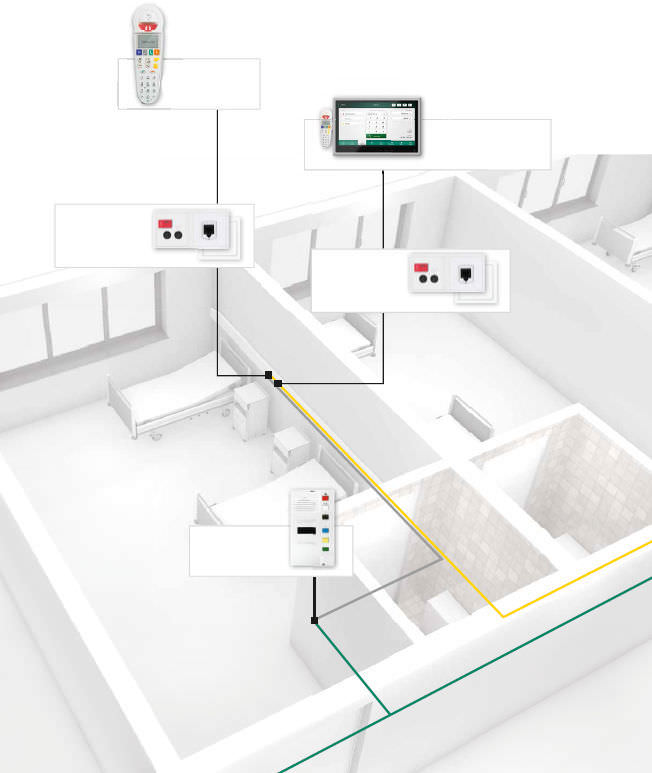
Function of the system is pretty easy to understand but the system itself is relatively complex. It has number of the components which you can see details below.

Common Features of Nurse Call System
While there might be many different features and options, most common components of a nurse call system described below:- Bed Modules. This module generally has two parts:
- Patient Handset. This allows patient to contact the nurse as well as control the TV and overbed lights.
- Wall modules. This module may have call/cancel buttons and also may contain microphone and speaker for communication between nurse and patient. Also equipment such as pumps or ventilation can be connected.
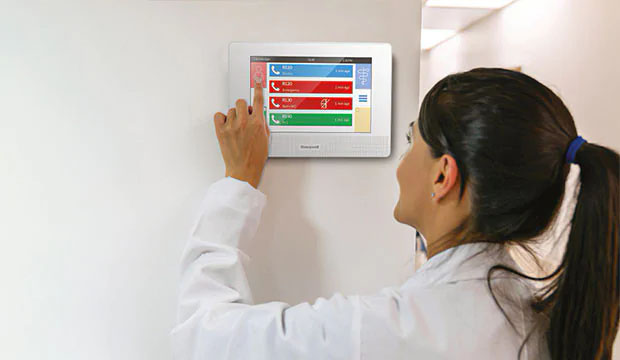
- Room Terminals. This module allows nurses to communicate with other systems, use presence and doctor call and/or Code Blue buttons. Terminals may have LCD displays to see the calls for other rooms.
- Room Electronic Modules. This module is the central unit for the room and connects the room to the system, all modules and room lamps are connected to this module.
- Nurse Desk Station/Console. This station is like a telephone (and looks very similar to a telephone). Desk Station allows the nurse to answer the call from the patient or call in to the patient’s room whenever necessary and if audio is configured in the system.
When are Nurse Call Systems Required?
Normally it can be assumed that the laws in the area of the medical center or senior citizen care facility require that a call button is within reach of patients at all times. Because it is essential function for patients in case of emergencies.
There is also legislation that varies geographically that can mandate required response time by medical staff. Hospital management should familiarize themselves or their staff with the relevant legislation in their area.